ACL Rehabilitation in Faridabad | Actilife Physiotherapy & Healthcare Clinic
An Anterior Cruciate Ligament (ACL) injury can be a challenging experience, often impacting daily activities, sports, and overall mobility. Effective ACL rehabilitation is crucial for restoring function, preventing re-injury, and ensuring a successful return to your desired lifestyle, whether you've opted for surgical reconstruction or non-operative management.
What is ACL Rehabilitation?
ACL rehabilitation is a comprehensive, structured physiotherapy program designed to help individuals recover from an Anterior Cruciate Ligament injury. The ACL is one of the four major ligaments in the knee, essential for maintaining knee stability, particularly during pivoting, cutting, and landing movements. An ACL tear often occurs during sports activities that involve sudden stops, changes in direction, jumping, or direct impact.
Whether your ACL injury requires surgical reconstruction or is managed non-surgically, rehabilitation plays a pivotal role in your recovery. The primary goals of ACL rehabilitation include:
- Pain Reduction: Managing immediate and ongoing pain associated with the injury and recovery process.
- Restoring Range of Motion: Gradually regaining full flexibility in the knee joint.
- Strengthening: Rebuilding muscle strength around the knee, including quadriceps, hamstrings, and glutes, to support the joint.
- Improving Proprioception and Balance: Enhancing the body's awareness of knee position and movement, which is critical for stability.
- Functional Training: Progressing through exercises that mimic daily activities and sport-specific movements.
- Preventing Re-injury: Educating patients on proper movement patterns and strengthening techniques to minimize future risks.
The rehabilitation process is highly individualized, adapting to your specific injury, surgical procedure (if applicable), and personal recovery goals. It is a progressive journey, starting with gentle movements and gradually advancing to high-level functional and sport-specific drills.
Conditions ACL Rehabilitation Helps
ACL rehabilitation is specifically tailored to address issues arising from injuries to the Anterior Cruciate Ligament. It is vital for individuals experiencing:
Sports Injuries
- Partial or Complete ACL Tears: Whether sustained during football, basketball, skiing, or other athletic activities, rehabilitation guides recovery.
- Associated Ligamentous Injuries: Often, an ACL tear can occur with damage to other knee ligaments (MCL, LCL, PCL) or menisci, requiring a holistic rehabilitation approach.
Pre-Operative Preparation
- Pre-habilitation (Pre-hab): Before ACL reconstruction surgery, physiotherapy helps reduce swelling, restore range of motion, and strengthen surrounding muscles. This can significantly improve post-operative outcomes and accelerate recovery.
Post-Surgical Recovery
- ACL Reconstruction Recovery: Following surgery, a structured rehabilitation program is essential to protect the graft, reduce pain and swelling, regain mobility, restore strength, and safely return to activity.
- Meniscus Repair and Other Concurrent Procedures: Rehabilitation protocols are adjusted to protect any additional surgical repairs performed alongside the ACL reconstruction.
Non-Operative Management
- Conservative Treatment for ACL Injuries: For individuals who do not undergo surgery, often due to lower activity levels or specific injury characteristics, physiotherapy focuses on strengthening, stability, and functional training to compensate for the injured ligament.
Chronic Knee Instability
- Long-Term Instability from Untreated ACL Injuries: Rehabilitation can help improve dynamic knee stability through targeted strengthening and neuromuscular re-education, even if the injury is older.
What to Expect During ACL Rehabilitation
Your journey through ACL rehabilitation at Actilife Physiotherapy & Healthcare Clinic is structured, supportive, and designed for optimal recovery. Here’s a general overview of what you can expect:
- Initial Comprehensive Assessment: Your first visit will involve a detailed evaluation by Dr. Manisha Sachdeva. She will review your medical history, discuss the mechanism of injury, and assess your current symptoms. A thorough physical examination will be conducted, checking your knee's range of motion, strength, stability, swelling, and gait. This assessment helps pinpoint the exact nature and extent of your injury and any accompanying issues.
- Personalized Treatment Plan Development: Based on the assessment, Dr. Sachdeva will create a customized rehabilitation program tailored to your specific needs, stage of recovery, and personal goals. This plan will outline the specific exercises, manual therapy techniques, and modalities to be used.
- Hands-On Manual Therapy: Initial sessions often involve a very hands-on approach. Dr. Sachdeva, skilled in techniques like Mulligan's treatment method and Muscle Energy Techniques (MET), will use manual therapy to reduce pain, decrease swelling, improve joint mobility, and release muscle tension around the knee.
- Therapeutic Exercises: You will be guided through a progressive series of exercises designed to restore range of motion, rebuild strength in your quadriceps, hamstrings, and glutes, and enhance knee stability. These exercises will evolve from gentle, protected movements to more dynamic, functional, and sport-specific drills as you progress.
- Neuromuscular Re-education and Balance Training: A crucial part of ACL rehabilitation involves exercises to improve proprioception and balance. This helps your brain and muscles work together more effectively to control knee movements and prevent re-injury.
- Advanced Techniques (as needed): Depending on your progress and specific requirements, Dr. Sachdeva may incorporate advanced techniques such as dry needling for muscle pain relief, Kinesio taping for support and swelling reduction, and Proprioceptive Neuromuscular Facilitation (PNF) for improving flexibility and strength.
- Patient Education and Home Exercise Program: You will receive clear instructions on exercises to perform at home, along with guidance on activity modification, pain management strategies, and techniques to protect your knee during daily activities. Empowering you to take a central role in your recovery is a core mission at Actilife Physiotherapy & Healthcare Clinic.
- Regular Progress Monitoring: Your progress will be continuously monitored and your treatment plan adjusted as you heal and strengthen. Dr. Sachdeva will set clear milestones and provide feedback to ensure you are on track to achieve your rehabilitation goals.
Benefits of ACL Rehabilitation
Engaging in a structured ACL rehabilitation program offers numerous benefits, crucial for a successful and lasting recovery:
- Restored Knee Stability: Physiotherapy helps strengthen the muscles surrounding the knee, providing dynamic support and reducing feelings of instability.
- Improved Range of Motion: Gradual, controlled exercises help regain full flexibility in the knee joint, essential for walking, running, and daily activities.
- Enhanced Muscle Strength: Targeted exercises rebuild strength in the quadriceps, hamstrings, and glutes, which are vital for knee function and protection.
- Reduced Pain and Swelling: Manual therapy, modalities, and appropriate exercises work to alleviate discomfort and inflammation.
- Faster Return to Activity: A well-structured program guides you safely and efficiently back to your desired activities, whether it's walking, sports, or work.
- Decreased Risk of Re-Injury: By improving strength, balance, and neuromuscular control, rehabilitation significantly lowers the chances of re-tearing the ACL or injuring other parts of the knee.
- Improved Proprioception and Balance: This enhances your body's awareness of knee position, improving coordination and reaction time.
- Long-Term Joint Health: Proper rehabilitation can help prevent secondary complications like osteoarthritis by restoring normal biomechanics and joint loading.
- Personalized Guidance: Expert physiotherapists provide tailored exercises and progression, ensuring the program matches your individual recovery pace and needs.
Our Approach to ACL Rehabilitation
At Actilife Physiotherapy & Healthcare Clinic, our approach to ACL rehabilitation is rooted in our philosophy of Specialized Functional Physiotherapy. We believe in accurate assessment, precise diagnosis, and well-designed treatment protocols that empower you to achieve optimal recovery.
What Makes Us Different:
- Expert-Led Care: Your rehabilitation is overseen by Dr. Manisha Sachdeva, a Senior Physiotherapy Consultant & Director with over 15 years of experience and a Master of Sports Physiotherapy (MSPT) from GNDU, Amritsar. Her expertise in Orthopaedic Rehabilitation and Sports Injury Management ensures you receive top-tier care.
- Personalized Treatment Protocols: We don't believe in one-size-fits-all. Every treatment plan is meticulously designed after a thorough assessment, focusing on your unique injury, recovery stage, and lifestyle goals.
- Addressing Root Causes: Dr. Sachdeva's approach prioritizes identifying and treating the biomechanical root causes of your problem, not just the symptoms, leading to more sustainable, long-term relief.
- Advanced Treatment Techniques: We integrate cutting-edge methods such as Mulligan's treatment method, Muscle Energy Techniques (MET), Proprioceptive Neuromuscular Facilitation (PNF), dry needling, and Kinesio taping to optimize your recovery.
- Patient Empowerment: Our mission is to empower you to take a central role in your recovery. We provide comprehensive education and a clear home exercise program, ensuring you understand and actively participate in your healing journey.
- Proven Track Record: With over 5,000 patients successfully treated and a 5.0-star rating from 228 Google reviews, our commitment to delivering personalized care and enhancing quality of life is evident.
Our team at Actilife Physiotherapy & Healthcare Clinic focuses on the intricate structure of the body, including joints, muscles, ligaments, tendons, and nerves. We aim to return you to pain-free function quickly, using current research and a compassionate approach. We are located at B-587 Basement, Sector 49, Faridabad, Haryana 121001, and you can reach us at +91-9990005909.
Recovery Timeline for ACL Rehabilitation
The recovery timeline for ACL rehabilitation varies greatly depending on whether surgery was performed, the individual's dedication to the program, and any concurrent injuries. The following table provides a general guideline for post-surgical ACL reconstruction rehabilitation. Non-operative rehabilitation will follow a similar progression, focusing on compensating for the injured ligament.
- Phase: Approximate Timeline | Key Goals | Typical Activities
- Phase 1: Protection & Early Motion: Weeks 0-2 | Reduce pain and swelling Achieve full knee extension Regain quadriceps control Protect the graft | Crutch use (as prescribed) Brace use (as prescribed) Gentle range of motion exercises Quad sets, straight leg raises Ice and elevation
- Phase 2: Strength & Neuromuscular Control: Weeks 2-6 | Restore full range of motion Improve walking pattern Increase lower extremity strength Enhance balance and proprioception | Wean off crutches/brace Stationary cycling Leg press, hamstring curls Wall squats, step-ups Balance exercises (single leg stance)
- Phase 3: Return to Function: Months 2-4 | Progress strength and endurance Introduce light impact activities Develop agility and power | Light jogging, elliptical Plyometric exercises (box jumps, hopping) Agility drills (shuttle runs) Advanced strengthening exercises
- Phase 4: Return to Sport Specificity: Months 5-9+ | Achieve maximum strength and power Perform sport-specific movements without pain Pass functional performance tests | Cutting, jumping, pivoting drills Sport-specific training Gradual return to practice/competition Continued strength and conditioning
Frequently Asked Questions About ACL Rehabilitation
Q: How long does ACL rehabilitation typically take?
Q: Is ACL rehabilitation painful?
A: While some discomfort or soreness is normal during the rehabilitation process, especially as you challenge your muscles, it should not be excessively painful. Our team at Actilife Physiotherapy & Healthcare Clinic focuses on managing pain effectively. We use techniques like manual therapy and dry needling to reduce discomfort and ensure exercises are performed safely within your pain tolerance.
Q: What is the difference between pre-habilitation and post-operative rehabilitation?
A: Pre-habilitation occurs before ACL surgery, aiming to reduce swelling, restore range of motion, and strengthen muscles to optimize your condition for surgery and improve post-operative outcomes. Post-operative rehabilitation begins after surgery, focusing on protecting the new graft, gradually restoring strength, mobility, and function, and safely returning you to activity. Both are critical for a successful recovery.
Q: Can I avoid surgery for an ACL tear?
Q: How often will I need physiotherapy sessions for ACL rehabilitation?
A: The frequency of sessions will depend on your stage of recovery and individual needs. Initially, you might attend 2-3 times a week, gradually reducing as you progress and become more independent with your home exercise program. Consistency and adherence to the prescribed exercises are key to successful outcomes.
People Also Ask About ACL Rehabilitation
Q: What exercises are bad for an ACL injury?
A: Exercises that put excessive stress on the ACL, especially pivoting, sudden cutting, or deep squats with heavy weights too early in rehabilitation, can be detrimental. High-impact activities or movements that cause knee instability should be avoided until cleared by your physiotherapist.
Q: How can I strengthen my knee after ACL surgery?
A: Strengthening involves a progressive program including exercises like quadriceps sets, straight leg raises, hamstring curls, leg presses, step-ups, and balance exercises. Your physiotherapist will guide you through the appropriate exercises for each stage of recovery to ensure safe and effective strengthening.
Q: What is the success rate of ACL surgery with rehab?
Q: When can I run after ACL surgery?
A: Typically, light jogging may begin around 3-4 months post-surgery, but this is highly variable and depends on individual healing, strength, and the absence of pain or swelling. Your physiotherapist will conduct specific tests to determine if you are ready to safely progress to running.
Know Your Doctor
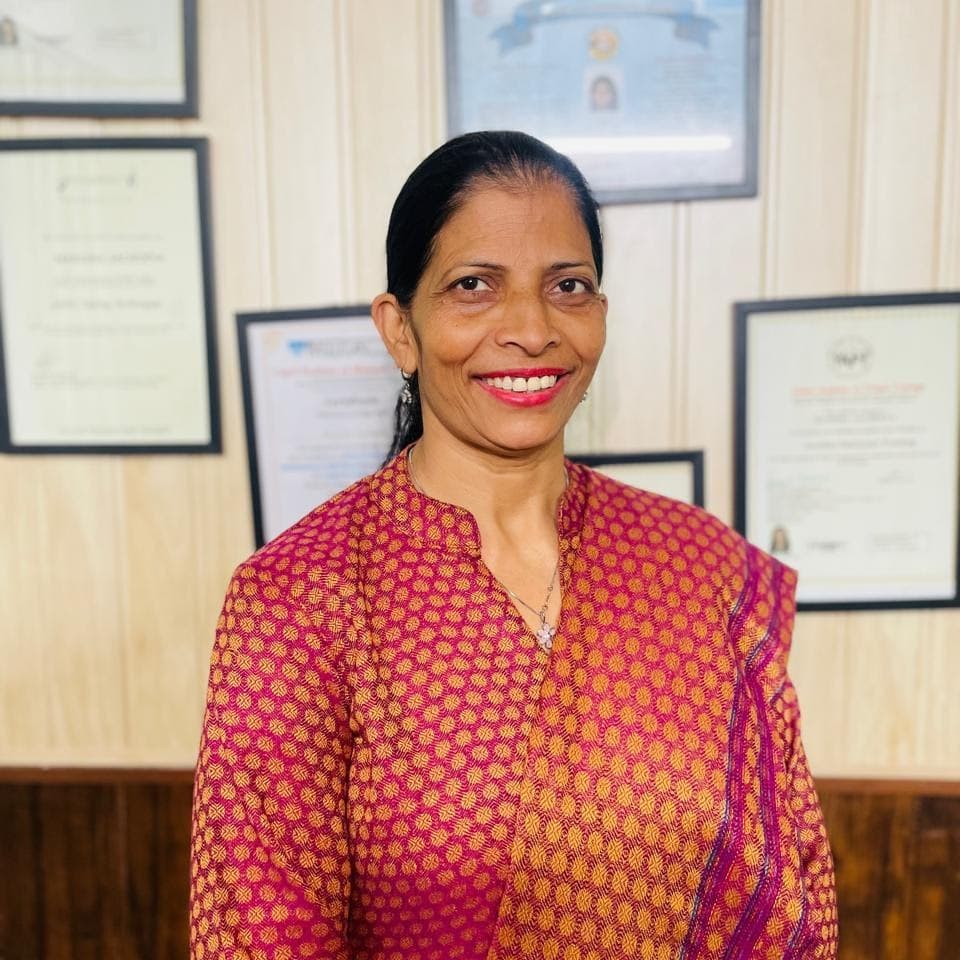
Dr. Manisha Sachdeva — Senior Physiotherapy Consultant & Director
- MSPT, BPT, MIAFT, MIAP
- 15+ years of clinical experience
- 5,000+ patients treated
- 5.0/5.0 Google rating from 228 reviews
Available in These Services
Treatable Conditions
People Also Ask About ACL Rehabilitation in Faridabad | Actilife Physiotherapy & Healthcare Clinic
Actilife Physiotherapy & Healthcare Clinic
Expert physiotherapy care — book your consultation today
How Actilife Physiotherapy & Healthcare Clinic Can Help
Actilife Physiotherapy & Healthcare Clinic provides comprehensive physiotherapy and rehabilitation services with a patient-first approach. We also offer video consultations for patients across India.
Expert-Led Care
Led by Dr. Manisha Sachdeva (MSPT, BPT, MIAFT, MIAP | Sports Physiotherapy) with over 15 years of experience.
Personalized Treatment
Every patient receives a customized treatment plan tailored to their specific condition, goals, and lifestyle.
Convenient Scheduling
Monday to Saturday, 9:00 AM – 7:00 PM. Early morning and evening slots available.
Evidence-Based Approach
We use the latest research-backed techniques including manual therapy, dry needling, and therapeutic exercises.
Expert Care by Certified Professionals
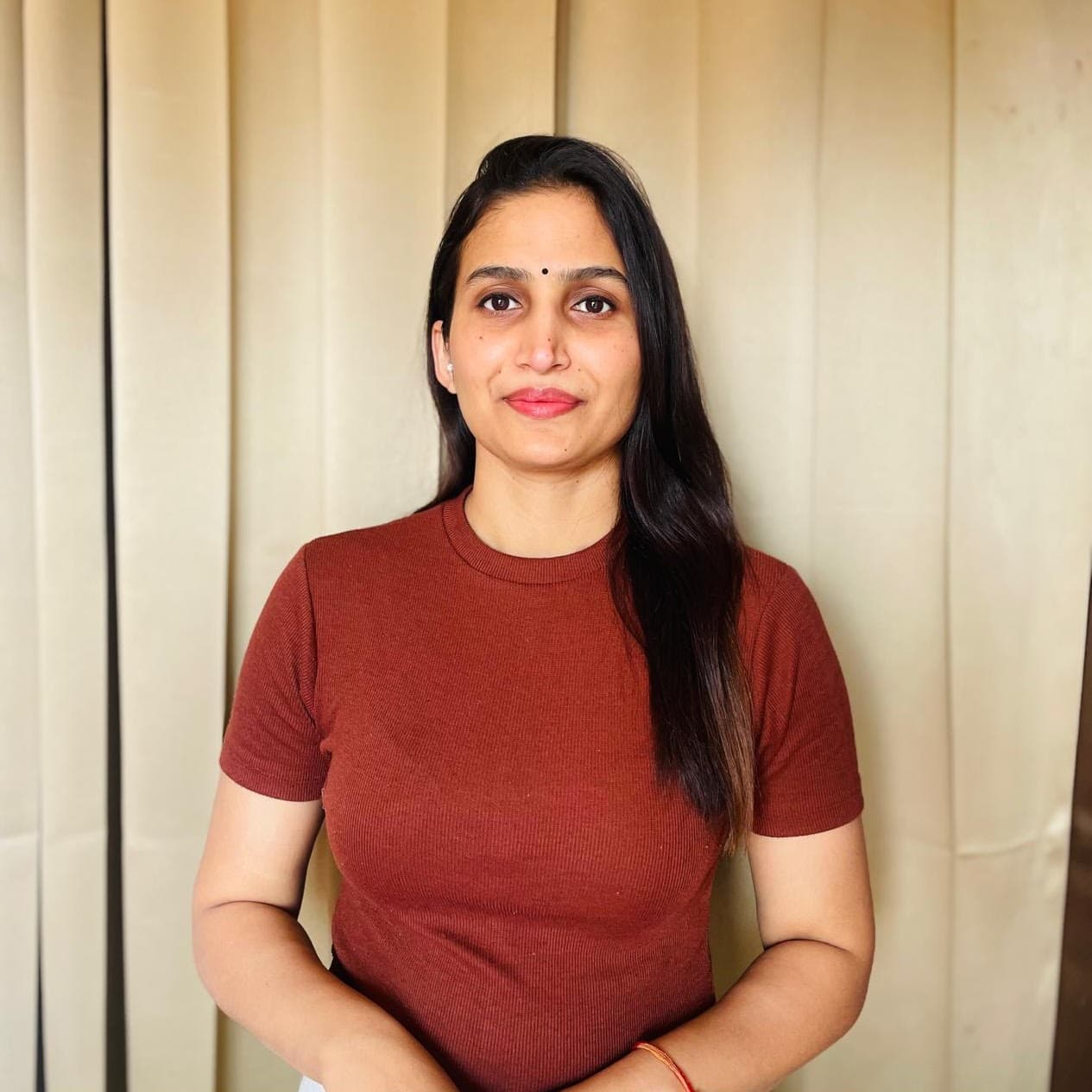
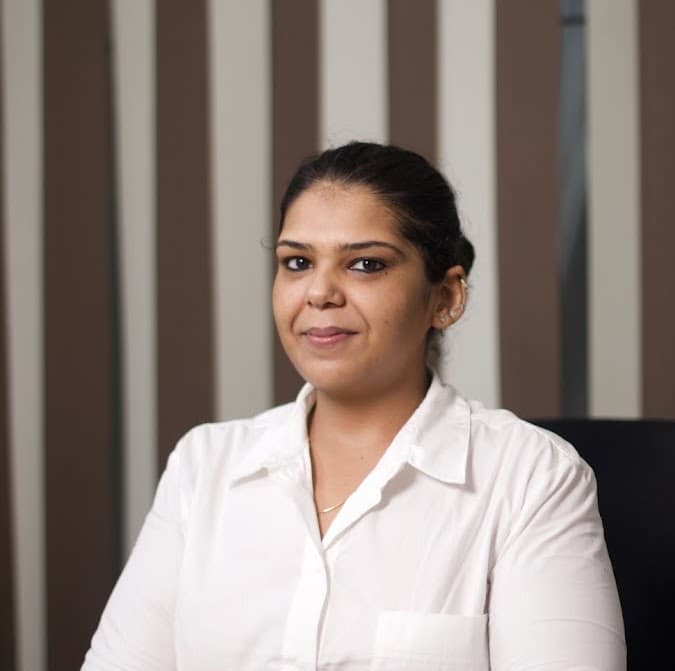
Dr. Manisha Sachdeva
Senior Physiotherapy Consultant & Director